
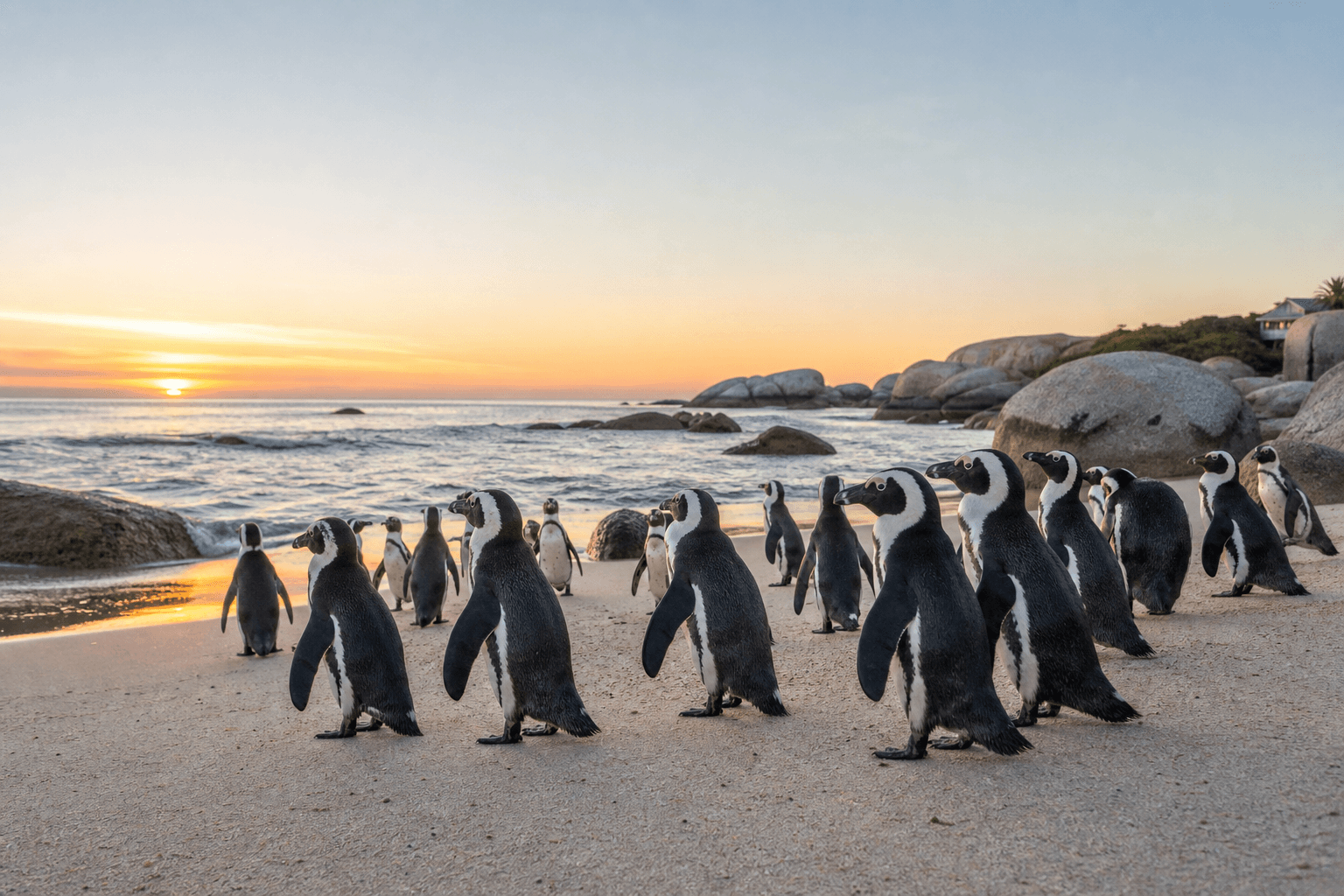
Critically Endangered. Still Saveable.
Save South Africa's African Penguins Before 2035
African penguins are disappearing from the wild at a devastating pace. SAPA unites donors, scientists, educators, coastal communities, and advocates to protect colonies, restore habitat, and defend the ocean life these birds need to survive.
>99%
breeding-pair collapse since the early 1900s
Evidence note: BirdLife South Africa and SANCCOB legal campaign materials, 2024; historical estimates vary by baseline.
Critically Endangered
global Red List status
Evidence note: IUCN Red List / BirdLife International reassessment announced in October 2024.
<10,000
breeding pairs remaining in South Africa and Namibia
Evidence note: SANCCOB public update, 28 October 2024; exact annual totals should be refreshed after official census releases.
2035
functionally-extinct warning window
Evidence note: BirdLife South Africa and SANCCOB advocacy and litigation briefings, 2024-2025.
We exist so African penguins still have a wild future.
The African penguin's decline is one of the clearest warning signs from South Africa's ocean ecosystems. But extinction is not inevitable. With science-led action, better protection for feeding grounds, safe nesting habitat, strong rehabilitation networks, and public pressure, recovery is still within reach.
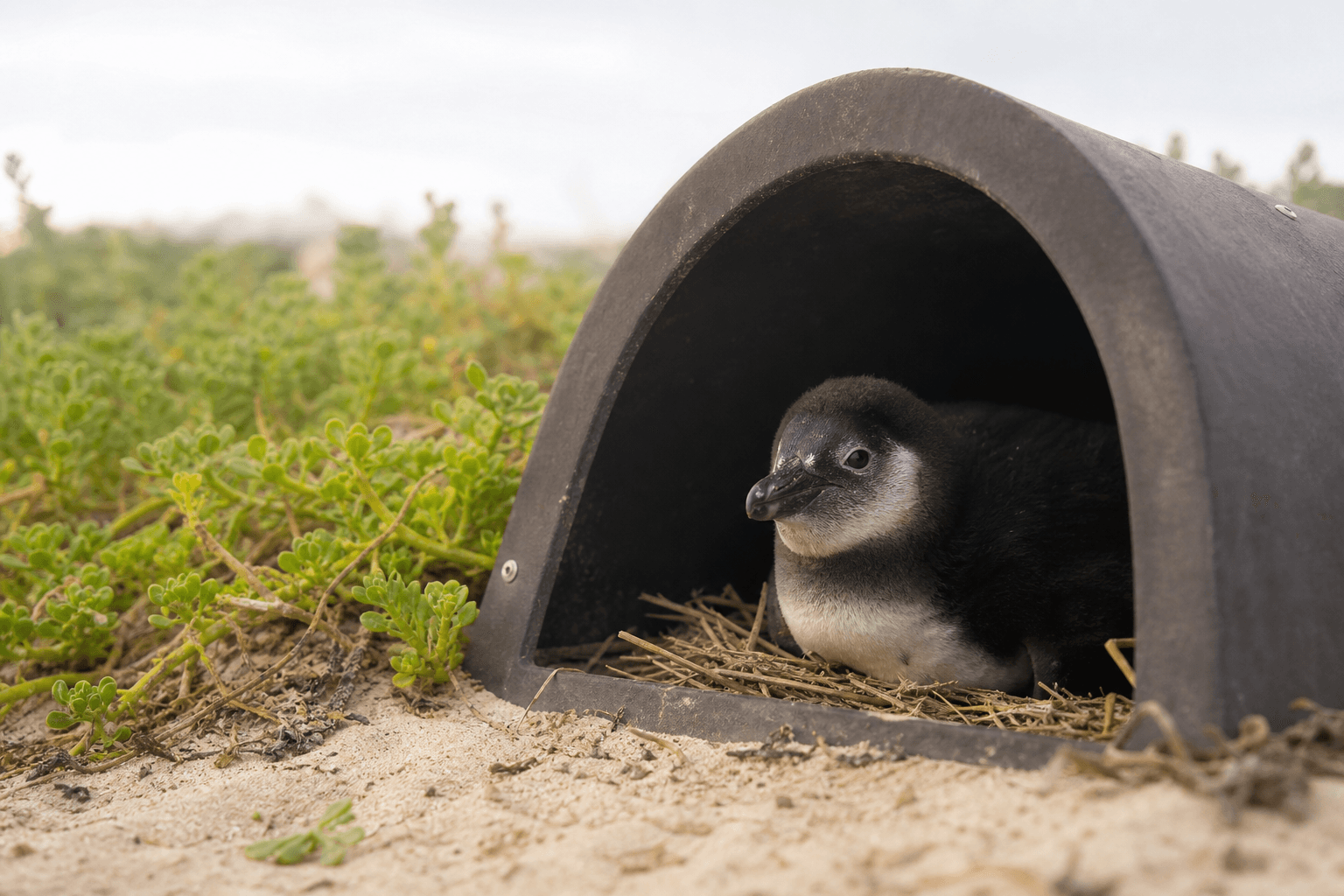
The crisis is urgent, and human choices can change it.
African penguins need reliable access to sardines and anchovies, safe places to nest, clean seas, and protection from disturbance. When food moves out of reach, nests overheat, oil enters the water, or chicks are abandoned, every colony becomes more fragile. SAPA focuses on the practical interventions that give penguins a fighting chance.
Food scarcity
Nesting habitat loss
Climate stress
Oil and shipping risk
Disease outbreaks
Human disturbance
Our work protects the conditions penguins need to recover.
SAPA supports six connected program areas, each designed for donor clarity, partner accountability, and science-led action.
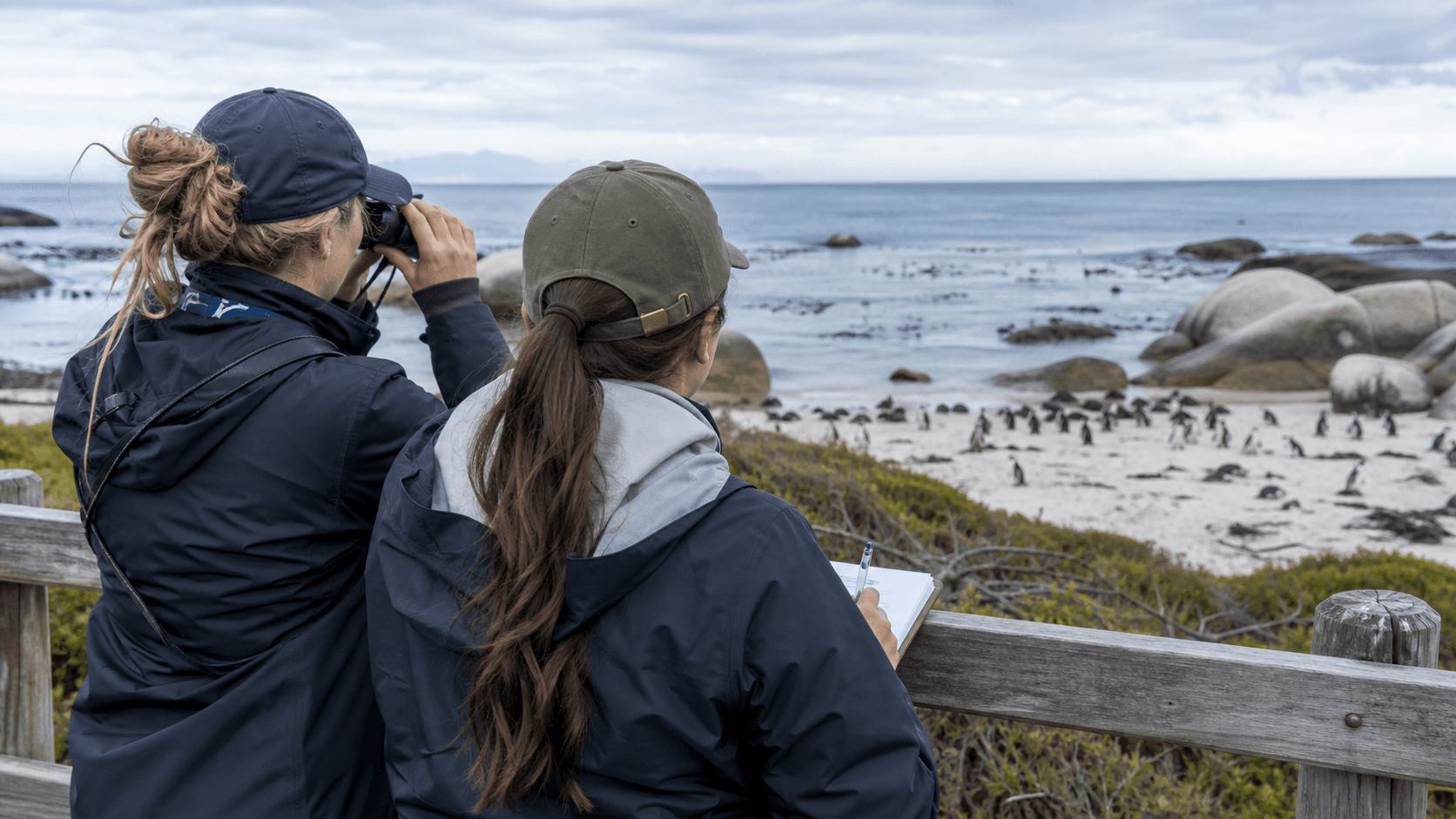
Campaign
2035 Is Too Late
Scientists and conservationists have warned that African penguins could disappear from the wild within years if current declines continue. SAPA mobilizes donors, schools, coastal communities, businesses, and policymakers around one clear goal: stop the slide toward extinction and help colonies recover.
Policy asks
Protect feeding zones around key colonies
Strengthen science-based fisheries management
Fund rescue and rehabilitation capacity
Restore safe nesting habitat
Improve monitoring and public reporting
Reduce pollution and shipping risks
Countdown visual
2035
A warning window, not a false clock. Campaign milestones, source notes, and policy targets are editable through the content model.
Your gift helps keep penguins in the wild.
Every gift helps fund the systems penguins need: field monitoring, nesting support, rescue-response capacity, education, advocacy, and public accountability.
2,400
Breeding pairs monitored
2026 alliance target across priority South African colony monitoring projects.
Evidence note: SAPA FY2026 operating plan, board draft dated 15 June 2026.
680
Artificial nests deployed
Nest installations and replacements scheduled for heat-exposed breeding areas.
Evidence note: Habitat restoration workplan, version 1.4, 12 June 2026.
1,150
Chicks supported
Partner-supported rescue, stabilization, release, and post-release reporting capacity.
Evidence note: Rescue support grant framework, 2026 season budget.
18,000
Learners reached
School webinars, teacher packs, youth clubs, and coastal classroom sessions.
Evidence note: Education program calendar, July 2026-June 2027.
Field notes, science, and stories of recovery.
Editorial content helps donors, schools, media, and policymakers understand what is happening and how to help.
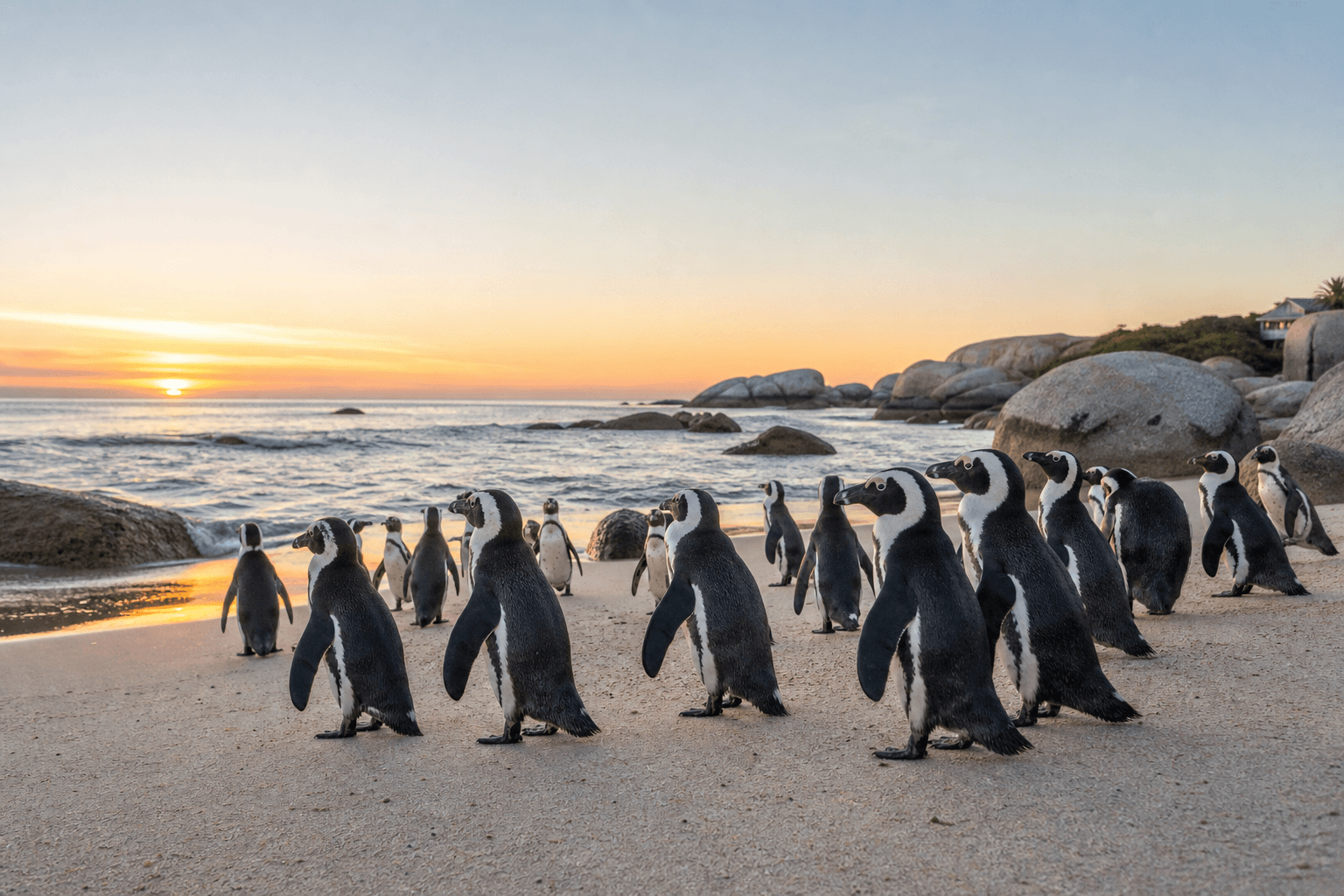
Campaign Updates
Why 2035 Is Too Late for African Penguins
2035 is not a distant date in conservation terms. For African penguins, it represents the narrowing window in which coordinated action can still prevent wild extinction.
Read story
Conservation Science
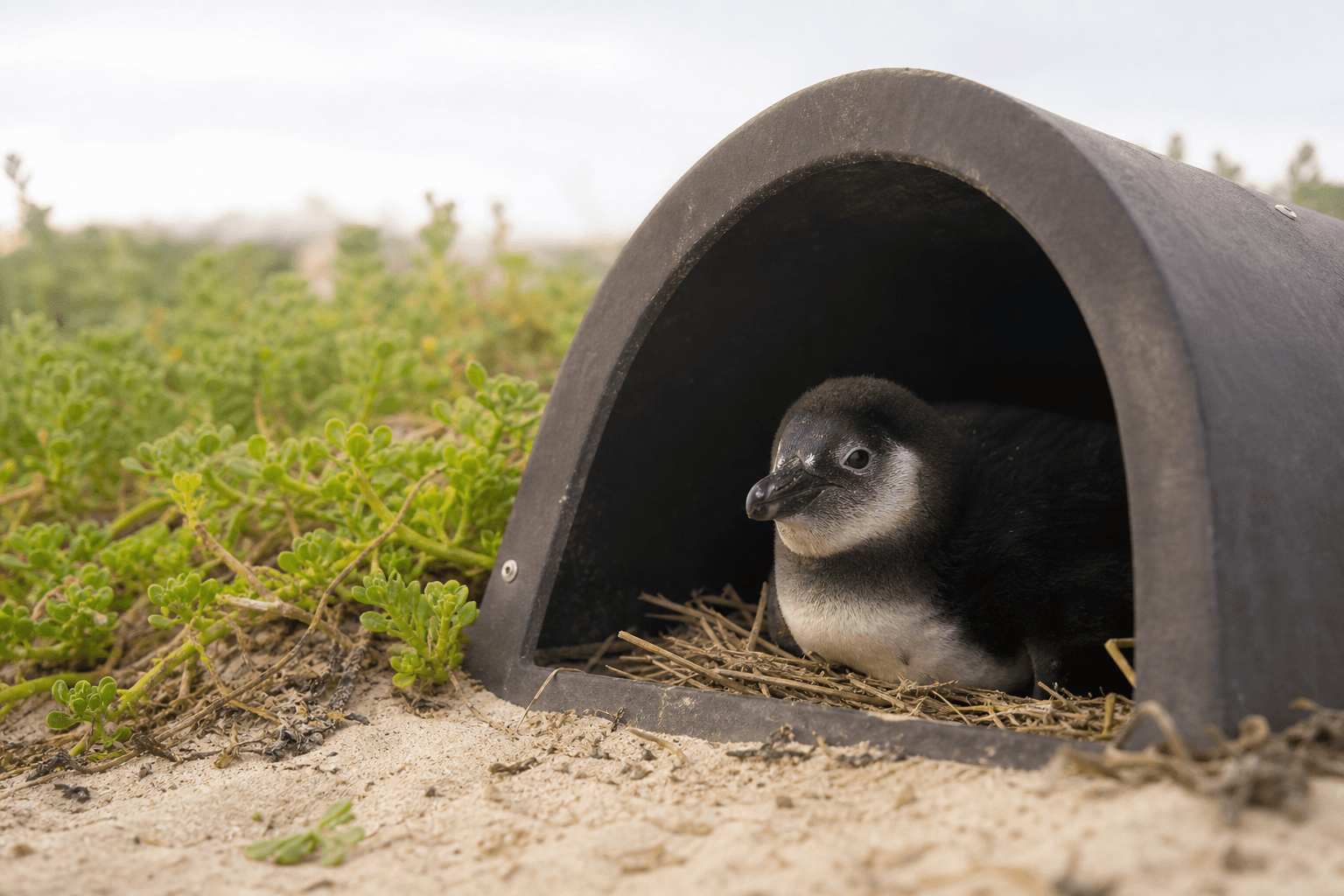
How Artificial Nests Can Help Chicks Survive Heat
Artificial nests are a simple idea with powerful potential: give penguins safer, cooler, more stable places to raise chicks in a changing climate.
Read story
Conservation Science
What Penguins Teach Us About Ocean Health
When penguins struggle to find food, they are telling us something about the wider ocean and the food webs that support coastal life.
Read story
Built to collaborate, not duplicate.
SAPA's model depends on verified partners, clear delivery roles, and transparent reporting.