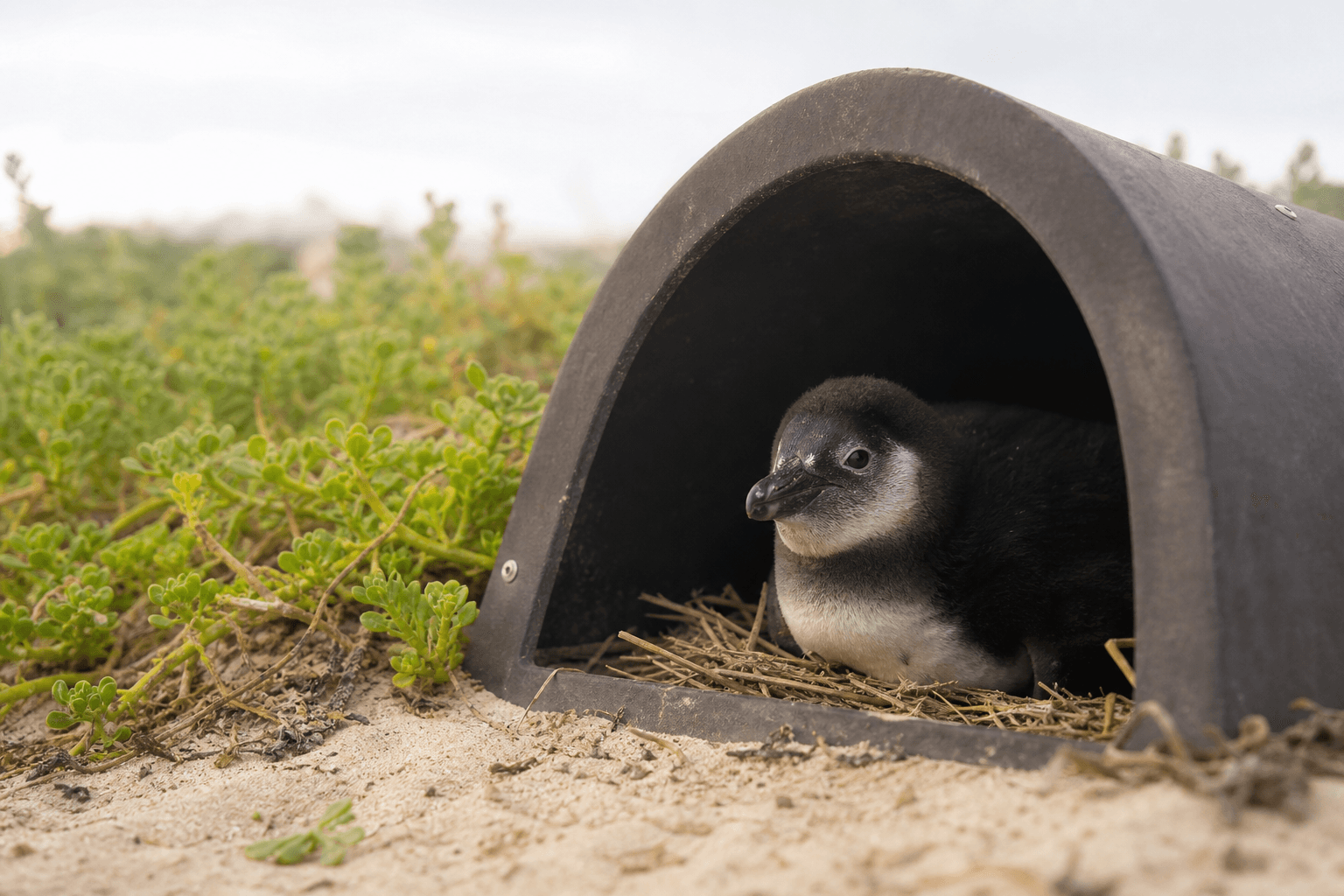
Abandoned chicks are one of the clearest signs that a colony is under stress. When adult penguins cannot find enough food, are disrupted by storms, or are affected by oiling, disease, or heat, chicks may be left before they are ready to survive alone.
South Africa has specialist seabird rehabilitation expertise, and SAPA's role is to support qualified partners rather than duplicate it. Flexible funding can help with transport, rehydration supplies, fish, veterinary care, temporary staffing, and release reporting during high-pressure periods.
Ethical rescue storytelling must be honest. Not every bird survives, and rehabilitation cannot replace protection of food and habitat. The best rescue support buys time for individual birds while the wider conservation community works on the causes of abandonment.
For the 2026 season, SAPA's emergency reserve is designed to release rapid microgrants within 72 hours of a partner request, subject to welfare protocols and transparent reporting.
Donors receive aggregate updates, not staged handling photos. The aim is dignity for wildlife, useful information for supporters, and better capacity for the people doing the hard work.
Sources tracked for this article include SANCCOB public rehabilitation guidance, partner welfare protocols, and SAPA's 2026 Rescue Support Grant Framework.
Turn this story into action.
Donate, sign the petition, or share this field note with someone who cares about ocean life.